

When building a complete wellness routine, most people focus on physical exercise, balanced meal planning, stress management, and sleep quality. While these habits are essential, many overlook a critical indicator of general physical health: the oral cavity.
Your mouth is not an isolated system. It serves as the primary gateway to your respiratory and digestive tracts and functions as a clear mirror of your internal health. Research in systemic medicine consistently shows that poor oral hygiene does not merely cause localized issues like cavities or bad breath it triggers chronic inflammation that can disrupt cardiovascular, metabolic, and immune systems throughout the body.
The Biological Mechanism: How Oral Bacteria Enter the Body
The human mouth is home to over 700 species of micro-organisms, most of which are harmless when kept under control. However, when daily brushing and flossing are neglected, harmful bacteria form a sticky film over teeth known as plaque. If left untreated, plaque hardens into tartar, providing a breeding ground for bacteria that trigger gum inflammation, known as gingivitis.
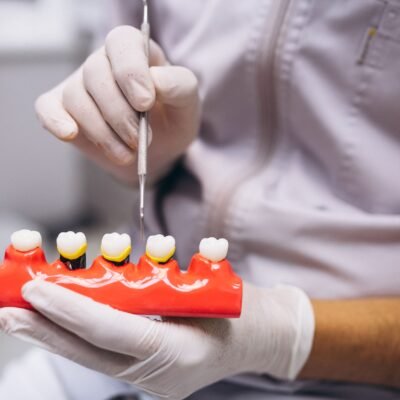
As gingivitis progresses into periodontitis (severe gum disease), the surrounding soft tissues pull away from the teeth, creating deep pockets of infection.
The Progression of Oral Infection:
- Step 1: Plaque Accumulation
- Step 2: Gum Inflammation (Gingivitis)
- Step 3: Tissue Breakdown (Periodontitis)
- Step 4: Bacterial Entry into the Bloodstream
Because inflamed, bleeding gums compromise the natural barrier between the mouth and the circulatory system, oral bacteria easily leak into the bloodstream (bacteremia). Once inside, these pathogens release endotoxins, prompting the liver to produce C-reactive proteins (CRP) and triggering a systemic inflammatory cascade across the entire body.
Systemic Health Conditions Linked to Poor Dental Health
The systemic impact of chronic oral infections is far-reaching. Clinical studies link untreated periodontitis to several major systemic health conditions:
| Health Condition | Primary Biological Connection | Health Consequence |
| Cardiovascular Disease | Bacteria like P. gingivalis enter the bloodstream and attach to fatty deposits inside blood vessels. | Accelerates arterial plaque buildup (atherosclerosis), increasing the risk of blood clots, heart attacks, and stroke. |
| Type 2 Diabetes | Chronic inflammation in the gums impairs the body’s ability to utilize insulin efficiently. | Creates a two-way burden: elevated blood sugar worsens gum disease, while severe periodontitis makes blood sugar control harder. |
| Respiratory Illnesses | Oral bacteria present in high volumes are inhaled into the lower respiratory tract during sleep. | Increases the frequency and severity of respiratory infections, including bacterial pneumonia and chronic bronchitis. |
| Pregnancy Complications | Oral inflammation elevates systemic inflammatory markers (prostaglandins and cytokines). | Linked to higher rates of premature delivery, low birth weight, and preeclampsia during pregnancy. |
| Rheumatoid Arthritis | Autoimmune response triggered by oral pathogens accelerates joint inflammation. | Individuals with severe periodontitis report significantly higher joint pain and stiffness. |
Early Warning Signs You Shouldn’t Ignore
Catching oral health issues early is the most effective way to prevent systemic complications. Keep an eye out for these common warning signs:
- Bleeding gums during or after brushing and flossing
- Persistent bad breath (halitosis) or an unpleasant taste in your mouth
- Receding gums that expose tooth roots and make teeth appear longer
- Red, swollen, or tender gums
- Loose or shifting teeth when chewing
- Frequent dry mouth, which reduces the natural protective benefits of saliva
5 Essential Steps to Protect Your Oral and Overall Health
Maintaining peak systemic health requires treating oral hygiene as a core component of your daily preventive healthcare routine.
1. Master Your Daily Hygiene Routine
Brush at least twice a day using a soft-bristled toothbrush and fluoride toothpaste. Ensure you brush at a 45-degree angle toward the gumline for two full minutes. Complement brushing with daily flossing or interdental brushes to clean the 40% of tooth surfaces that standard bristles cannot reach.
2. Maintain Optimal Hydration
Saliva is your body’s natural defense mechanism against oral disease. It contains protective enzymes, neutralizes damaging acids, and washes away loose food particles. Drink plenty of water throughout the day to support healthy saliva production.
3. Eat an Anti-Inflammatory Diet
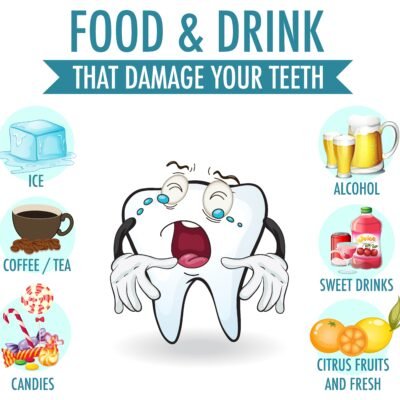
Limit refined sugars and acidic foods, which feed harmful plaque bacteria. Instead, eat a nutrient-rich diet high in leafy greens, vitamin C, calcium, and antioxidant-dense foods that strengthen periodontal tissues and support immune function.
4. Eliminate Tobacco Use
Smoking and vaping impair blood flow to the gums, reducing the delivery of oxygen and key nutrients needed to fight off oral infections. Smokers face a significantly higher risk of advanced periodontitis and slower healing rates following dental treatments.
5. Schedule Professional Cleanings and Exams
Home care alone cannot remove calcified plaque (tartar) once it hardens. Regular professional check-ups and cleanings are essential for detecting early signs of gum disease, tooth decay, or oral cancer before they escalate.
Working with an experienced dental team ensures your oral health strategy actively supports your overall physical well-being. Practicing proper preventive care at home alongside routine visits to established practices like Kirkby Dental Practice provides the professional monitoring and specialized care needed to protect both your smile and long-term health.
Final Thoughts
A healthy body begins with a healthy mouth. By viewing oral hygiene as a direct component of your systemic health rather than an isolated aesthetic preference, you protect your cardiovascular, metabolic, and immune systems from unnecessary strain. Consistent daily care combined with professional check-ups is one of the most effective, accessible investments you can make in your lifelong health.

Other Articles

Enhancing Healthcare Staff Comfort Through Ergonomic Uniform Designs
Common Dental Emergencies and How Urgent Care Can Help