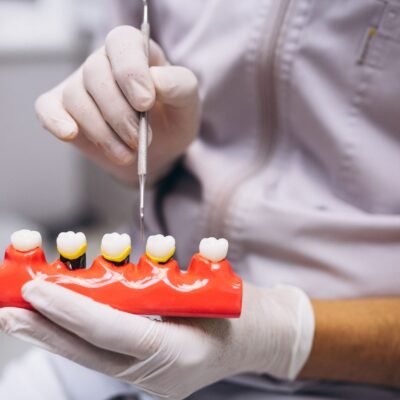

Removable orthodontic treatment offers something traditional braces cannot: flexibility. Patients can take their trays out for meals, cleaning, important occasions, and certain everyday situations. That convenience is one of the reasons tooth aligners have become an appealing option for people who want to improve the position of their teeth without making orthodontic treatment the center of their routine.
But flexibility can also create a problem. When something is easy to remove, it can be easy to leave out longer than intended. Successful treatment depends not only on the design of the trays but also on how consistently they are worn and cared for.
Understanding that difference can help patients build habits that support steady progress rather than allowing convenience to work against the treatment plan.
Convenience Is Useful, but It Has Limits
One of the biggest attractions of removable aligners is the control they give patients over their day. Unlike fixed braces, the trays can normally be removed when eating and during oral hygiene.
That does not mean they should be removed whenever they become slightly inconvenient.
Orthodontic treatment works through planned, gradual movement. Each stage is designed around a specific sequence, and spending too much time without the trays can interfere with that schedule. A patient may not notice an immediate problem after one missed period, but repeated interruptions can become more significant.
The useful mindset is to treat removability as a feature for managing necessary situations, rather than as an invitation to take frequent unscheduled breaks.
The Difference Between Flexibility and Inconsistency
There is an important distinction between using removable treatment responsibly and wearing it only when it feels convenient.
For example, taking trays out for meals and brushing is a normal part of care. Leaving them out through an entire afternoon because a patient forgot to replace them is something different.
A consistent routine generally means:
- Following the wearing schedule provided by the dental professional
- Removing trays for activities where removal is recommended
- Replacing them promptly afterward
- Keeping the trays safe whenever they are not being worn
Small decisions repeated every day can have a greater influence on the overall experience than occasional moments of inconvenience.
Why Wearing Time Matters
The treatment plan is built around controlled periods of contact between the trays and the teeth. When the recommended schedule is followed, each stage has an opportunity to perform the movements for which it was designed.
This is one reason teeth aligners should not be viewed as an occasional cosmetic accessory. They are part of an orthodontic treatment process, and their effectiveness depends on following the instructions associated with that process.
Patients sometimes assume that wearing a tray for a few extra hours the next day can completely compensate for a missed period. That should not be assumed. The appropriate response to significant missed wear time can depend on the individual treatment plan, so questions about delays should be directed to the treating professional.
Building Habits Around Real Life
Consistency becomes easier when aligner care is connected to activities that already happen every day.
Instead of repeatedly asking, “When should I put these back in?” patients can create predictable points in their routine. After breakfast, lunch, and dinner, for example, the process can become automatic: clean the teeth as instructed, check the tray, and replace it.
Use Simple Reminders
Busy schedules are one of the most common reasons people forget things. A phone reminder, calendar notification, or simple note can help during the early stages of treatment.
Other useful habits include:
- Keeping the storage case in the same place
- Carrying basic cleaning supplies when away from home
- Establishing a regular time for checking the current tray
- Keeping upcoming trays organized according to professional instructions
The goal is not to make orthodontic care complicated. It is to remove unnecessary decisions from the day.
Meals Should Not Become an All-Day Break
Eating is one of the situations in which removable trays provide obvious convenience. Patients can generally take them out before meals, enjoy their food, and then follow their cleaning routine before putting them back.
The problem occurs when a short meal turns into several hours without the trays.
A restaurant visit, office lunch, or family dinner may take longer than expected. That is normal. What matters is developing a habit of returning to the treatment routine afterward instead of allowing the interruption to continue through the rest of the day.
This is particularly important for people who eat several times during work or school hours. Having a consistent place to store the trays and a simple cleaning routine can make returning to wear much easier.
Oral Hygiene Cannot Be an Afterthought
Aligners sit closely against the teeth, so keeping both the mouth and trays clean is an important part of treatment.
Patients should continue brushing and flossing according to their dental professional’s recommendations. Simply rinsing the mouth occasionally is not a substitute for normal oral hygiene.
The same applies to the trays themselves. They should be cleaned using an appropriate method rather than treated like ordinary plastic objects.
Avoid Careless Cleaning Habits
Some shortcuts may appear harmless but can create unnecessary problems. Patients should follow the cleaning instructions supplied for their particular aligners rather than experimenting with harsh substances or excessive heat.
A few habits worth avoiding include:
- Using very hot water unless specifically instructed
- Scrubbing trays aggressively with unsuitable materials
- Leaving trays in an exposed location
- Putting dirty trays back over unclean teeth
- Storing trays loosely in pockets or bags where they can become damaged
Good care protects the trays while also supporting better oral hygiene throughout treatment.
What Happens When Life Gets Busy?
No treatment plan exists in a vacuum. Work deadlines, travel, celebrations, school schedules, and unexpected events can all disrupt normal routines.
The answer is not to expect perfect days. It is to prepare for imperfect ones.
Someone who travels frequently might keep the aligner case and cleaning supplies in a dedicated toiletry bag. A person with long workdays might carry a small oral-care kit. Someone who regularly attends evening events can decide in advance how meals, cleaning, and tray storage will be handled.
The more predictable these situations become, the less likely they are to turn into long gaps in wear.
Social Situations and Professional Life
One reason patients appreciate clear aligners for teeth is their relatively discreet appearance. They can often fit into professional and social environments without attracting the same attention as traditional braces.
However, patients may still encounter situations in which they feel tempted to leave their trays out longer than necessary.
A photograph, presentation, date, wedding, or business meeting may make someone self-conscious about wearing aligners. Planning ahead can help. If removal is appropriate for a particular situation, the important point is to return to the recommended routine afterward.
Patients should also avoid making decisions about extended removal based solely on assumptions. If a recurring situation makes wear difficult, discussing it with the provider can lead to a more practical solution.
Professional Guidance Still Matters
Consistency is not simply a matter of willpower. The quality of the treatment plan and the way it is monitored also matter.
A professional can assess whether the teeth are moving as expected, identify problems with fit, and determine whether adjustments are needed. This becomes especially important when a patient notices that a tray no longer fits properly or that progress seems different from what was expected.
Services such as Angel Aligner can support patients through professionally planned aligner treatment, where the trays form part of a broader process rather than being treated as a standalone product.
Patients should communicate openly about missed wear time, discomfort, damaged trays, or other concerns. Accurate information allows the treating professional to make decisions based on the actual situation.
Common Reasons Patients Fall Behind
People rarely intend to undermine their own treatment. Most interruptions happen because a small inconvenience becomes a repeated habit.
Some common causes include:
- Forgetting to replace trays after meals
- Leaving them out during social events
- Misplacing the storage case
- Becoming less disciplined once initial excitement fades
- Assuming occasional missed wear does not matter
The first few days of treatment often receive the most attention because everything is new. Maintaining that same level of care weeks or months later can be more challenging.
That is why a routine based on habit tends to be more reliable than one based on motivation.
When an Aligner Does Not Fit Properly
Patients should pay attention to changes in fit. A new stage can feel different from the previous one, and some pressure may be expected, but a tray that is damaged, distorted, or behaving unusually should not simply be forced into position.
Similarly, losing a tray should not automatically mean moving to the next one without professional advice.
Orthodontic aligners are used according to a planned sequence. Skipping stages or making independent changes can affect how subsequent trays fit.
If something goes wrong, contacting the treating dental professional is usually more useful than trying to solve the problem through guesswork.
Staying Consistent Without Becoming Obsessed
Good treatment habits do not require thinking about aligners every minute of the day. In fact, the most successful routine may eventually become almost automatic.
Patients can focus on a few fundamentals:
- Wear the trays according to the prescribed schedule.
- Remove them only when appropriate.
- Clean both the mouth and trays properly.
- Store them safely whenever they are removed.
- Report problems rather than ignoring them.
Once these actions become part of everyday life, treatment can feel much less disruptive.
Looking Beyond the Current Tray
It is easy to focus on the tray currently being worn and forget that orthodontic treatment has a larger timeline.
Patients may move through multiple stages, and some treatment plans may involve refinements if additional movement is needed. After active movement is complete, retention may also become necessary to help maintain the new tooth positions.
This is why ortho aligners should be approached as one component of a complete treatment plan rather than a quick solution that ends when the last active tray is removed.
Long-term success also involves continuing good dental hygiene and attending recommended dental appointments. Straightening teeth does not eliminate the need for routine oral care.
The Real Value of Consistency
Convenience is one of the strengths of removable orthodontic treatment, but it should not become the standard by which every decision is made.
The better question is often, “What does the treatment plan require, and how can I make that easier to follow?”
That shift in thinking can make a meaningful difference. Instead of constantly negotiating with the routine, patients can design their day around a few dependable habits.
Tooth aligners can offer flexibility, but flexibility works best when it is paired with responsibility. The trays cannot do their intended job if they spend too much time sitting in a case.
Conclusion
Use up and down arrow keys to resize the meta box pane.
The biggest advantage of removable orthodontic treatment can also become its biggest challenge. Being able to take trays out makes them easier to fit around meals, work, travel, and social activities, but every removal creates another opportunity to forget about them.
For patients using clear aligners for teeth, the most useful approach is to make consistency part of ordinary life. Regular wear, proper cleaning, safe storage, professional monitoring, and prompt attention to problems all contribute to a more organized treatment experience.
Ultimately, convenience should make treatment easier to manage—not easier to neglect. When good habits become automatic, tooth aligners can fit into everyday life while patients work toward the smile changes outlined in their treatment plan.
Frequently Asked Questions
How long should I wear tooth aligners each day?
The recommended wear schedule depends on the specific treatment plan and should come from the treating professional. Following those instructions consistently is more important than creating your own schedule.
Can I remove my aligners for meals?
Removable aligners are generally taken out for eating, but patients should follow their provider’s instructions. After meals, maintaining appropriate oral hygiene and returning to wear promptly can help preserve the routine.
What if I forget to put my trays back in?
Put them back in as soon as you remember if doing so is consistent with your provider’s instructions. If missed wear happens frequently or for an extended period, contact the treating professional for guidance.
Can I travel while using clear aligners for teeth?
Yes, many people continue treatment while traveling. Carrying the storage case, cleaning supplies, and necessary trays can make it easier to maintain the normal schedule away from home.
Do orthodontic aligners need professional monitoring?
Professional monitoring can help determine whether treatment is progressing as planned. The appropriate follow-up schedule varies by patient and treatment system.
What happens after the final aligner?
Many patients require retention after active tooth movement is complete. A dental professional can explain the appropriate retainer type and wearing schedule for the individual case.

Enhancing Healthcare Staff Comfort Through Ergonomic Uniform Designs