


What Is Dental Insurance and Why Does It Matter?
Dental insurance helps pay for checkups, cleanings, and fillings. It also helps with bigger work like crowns or root canals. A good plan saves you real money each year. It can also catch small problems early. You might get coverage through work. You might also shop for a plan on your own. MetLife and Delta Dental are two of the biggest names in dental insurance coverage. Both companies insure millions of people. Yet they work in different ways. In this article i will you will find a simple, honest breakdown of both.
Who Are MetLife and Delta Dental?
Metropolitan Life Insurance Company, MetLife, is one of the biggest financial services companies in the world. It offers life insurance, pensions, employee benefits, and asset management, among other things. It was founded in1868 and is based in New York. It serves more than 100 million people in more than 40 markets around the world.
MetLife is one of those companies that copany who have a license, they provide insurance services all over the us (50 states). MetLife also conducts business in Puerto Rico, the District of Columbia (DC) and the US Virgin Islands. You can also check the background of MetLife company history page.
Delta Dental. On the other hand. Dentists and employers in California, Oregon, and Washington started the first Delta Dental plans in the 1950s. The national Delta Dental association formed in 1966. Delta Dental is the largest provider of dental insurance in the US.
It is made up of 39 separate, mostly non-profit partner companies that work together as a national network. About 85 million people in all 50 states, Washington, D.C., and Puerto Rico are covered by them. You can also check the background of Delta Dental about page.
Both brands earned decades of trust. Their roots still shape how each company works today. MetLife grew out of general insurance. Delta Dental grew out of dentistry itself.
How Do MetLife and Delta Dental Compare at a Glance?
| Category | MetLife Dental | Delta Dental |
| Founded | 1868 | 1950s, national group formed 1966 |
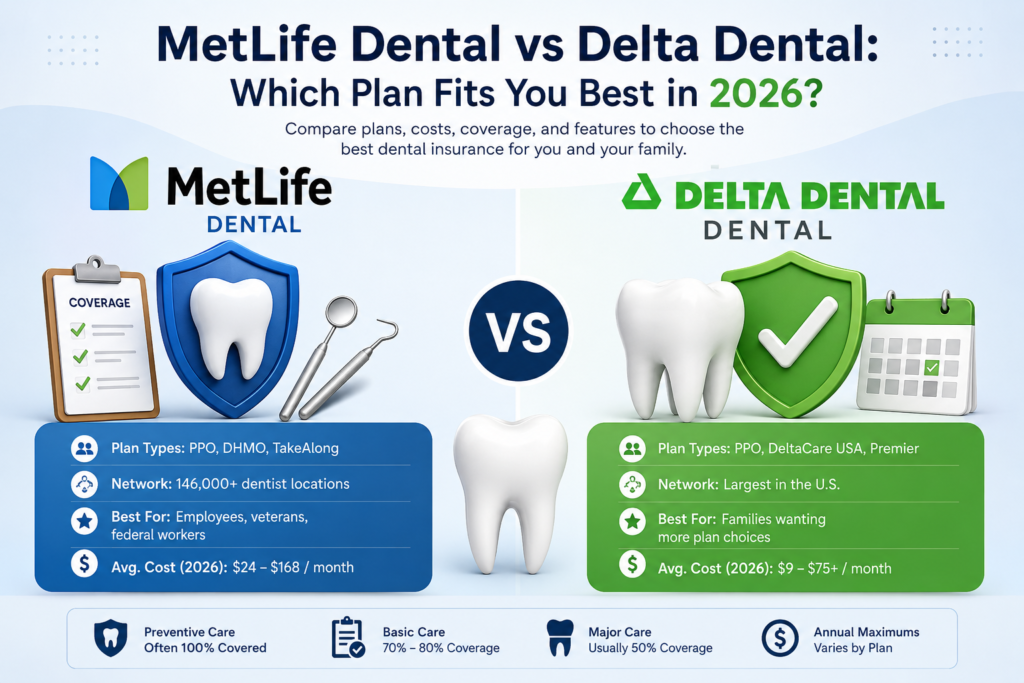
| Plan types | PPO, SafeGuard DHMO, TakeAlong portable plans | PPO, DeltaCare USA, Premier |
| Network size | Over 146,000 dentist locations | Largest dentist network in the US |
| Known for | Group, employer, veteran, and federal plans | Dental-only focus, broad state options |
| Best for | Employees, veterans, federal workers | Families wanting more plan choices |
What Do Real Customers Say? (Reviews)
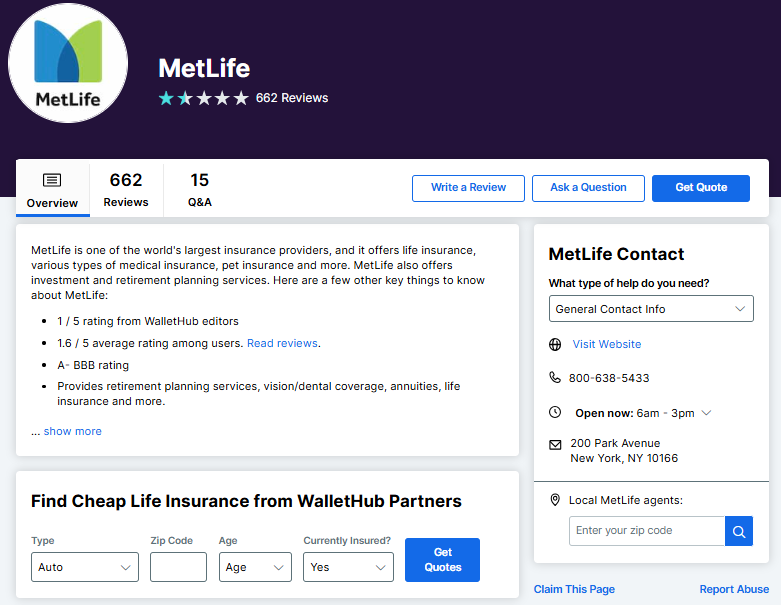
Reviews for both companies follow a similar pattern. Happy customers praise fast claims. They also praise easy paperwork. Unhappy customers often mention denied claims. Slow appeals come up often too. Delta Dental reviewers often mention smooth service, even out of network.
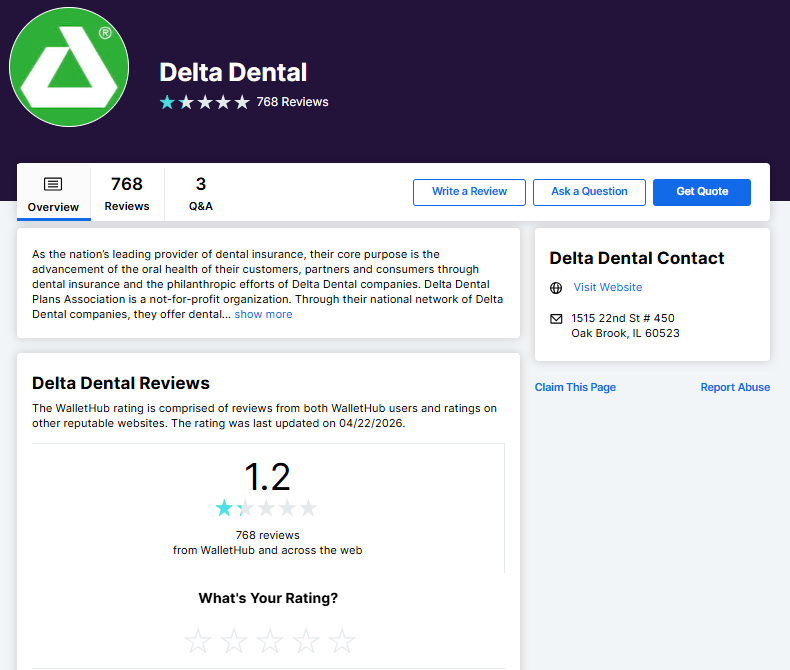
MetLife reviewers often praise strong coverage for major work like crowns. A few MetLife reviewers report frustrating delays. Neither company earns a perfect score. Your own dentist and plan details matter more than the brand name.
What Benefits Does Each Plan Offer?
Preventive care is usually free on both plans. Regular cleanings, exams, and X-rays are covered near 100 percent. Basic care like fillings often comes with coinsurance. That coinsurance often runs 70 to 80 percent. Major care includes crowns, dentures, and root canals. Coverage for major care often drops to 50 percent. Annual maximums start to matter most at that point. MetLife’s TakeAlong plans stand out. They follow you if you switch dentists. Delta Dental’s PPO and DeltaCare options work differently. They give you a choice between flexibility and lower cost.
What Features Set MetLife and Delta Dental Apart?
MetLife leans into group and workplace benefits. Its SafeGuard DHMO option keeps costs predictable through set copays. Delta Dental leans into flexibility instead. It offers fee-for-service, discount, and PPO-style plans side by side. Delta Dental’s Premier network adds extra dentist options in many states. MetLife’s member portal makes it easy to check claims. You can also find a dentist or estimate costs before treatment. Neither feature list wins across the board. Your choice depends on what matters more to you, network size or plan variety.
How Much Do MetLife and Delta Dental Cost in 2026?
MetLife Cost in 2026
The cost of your MetLife insurance in 2026 will vary depending on the type of policy you choose and your personal risk factors. Pricing is broken down by the exact type of plan offered by MetLife, which includes dental, pet, life, car, and disability coverage instead of a single master package. Average MetLife costs in 2026 are:
- Standard Option (Individual): Between $24.12 and $31.07 a month on average.
- Standard Plan (Family): Between $70.76 and $93.21 a month on average.
- High Option (Personal): Between $42.16 to $56.12 a month.
- High Option (Family): Between $126.49 to $168.33 a month
Delta Dental Cost
The monthly cost of a single individual’s Delta Dental plan in 2026 is $9 to $75+, depending on the plan type, amount of coverage, and your location. There has been remarkable stability in premium rate fluctuations for 2026, with marketplaces such as Covered California reporting an average statewide rate change of just 0.35%.
- $9–$15 monthly for DeltaCare USA (DHMO)
- Basic/Standard Delta Dental PPO: $20–$45 monthly
- Costs $48–$75+/month for Delta Dental PPO (Premium/High)
Is MetLife or Delta Dental Better for Veterans and Federal Employees?
If you need orthodontics and network access, determine coverage priorities, neither MetLife dental insurance nor Delta Dental may be considered “better” than the other. While MetLife is better for anyone looking for orthodontic coverage and greater yearly maximums on higher levels, Delta Dental offers a wider range of providers and more personalized options.
Veterans, retirees, and federal workers often shop through the FEDVIP program. Both MetLife and Delta Dental appear as options there. MetLife built a strong reputation among federal and military-retiree shoppers. Its plans show up often in FEDVIP comparisons on OPM’s official dental and vision page. Delta Dental also takes part in FEDVIP. It carries strong name recognition among longtime federal employees. Online forums show real confusion between the two options. Your smartest move is to compare exact FEDVIP plan numbers side by side. You should not pick a brand from memory alone.
How Do You Choose the Best Dental Insurance in 2026?
Your dentist should come first in that decision. You should confirm the exact network name before you enroll. Next, you should think about your expected treatment for the year ahead. A family expecting orthodontia needs different coverage than someone who just wants cleanings.
You should compare annual maximums, waiting periods, and coinsurance from every side. The monthly premium alone will not tell you enough. A cheaper plan with a low annual maximum can cost more overall. That risk grows fast if you need a crown or root canal. Your choice between MetLife and Delta Dental comes down to three things. Your dentist, your budget, and the treatment you expect matter most. The brand name matters far less.
Frequently Asked Questions
Do MetLife and Delta Dental cover implants?
While dental implant coverage is an option with both MetLife and Delta Dental, it is important to note that different policies have different levels of coverage. For example, basic or low-tier plans may not cover dental implants even if they are considered a major restorative or esthetic addition.
Is MetLife or Delta Dental better for veterans?
When it comes to the VA Dental Insurance Program (VADIP), both Delta Dental and MetLife are perfect for veterans. Delta Dental usually has more plan levels and covers more of the country, while MetLife usually has higher annual benefit limits for major work.
What is better, dental, dhmo or PPO?
There is no one “better” plan. A DHMO is better for low monthly costs and predictable set copays. A PPO is better for having more options, seeing specialists without a recommendation, and having a bigger network of providers. Online users on platforms like Reddit usually agree that PPO plans offer better care and a wider range of dentists, but they cost more.

Other Articles
How to Kill Bacteria in the Mouth Naturally